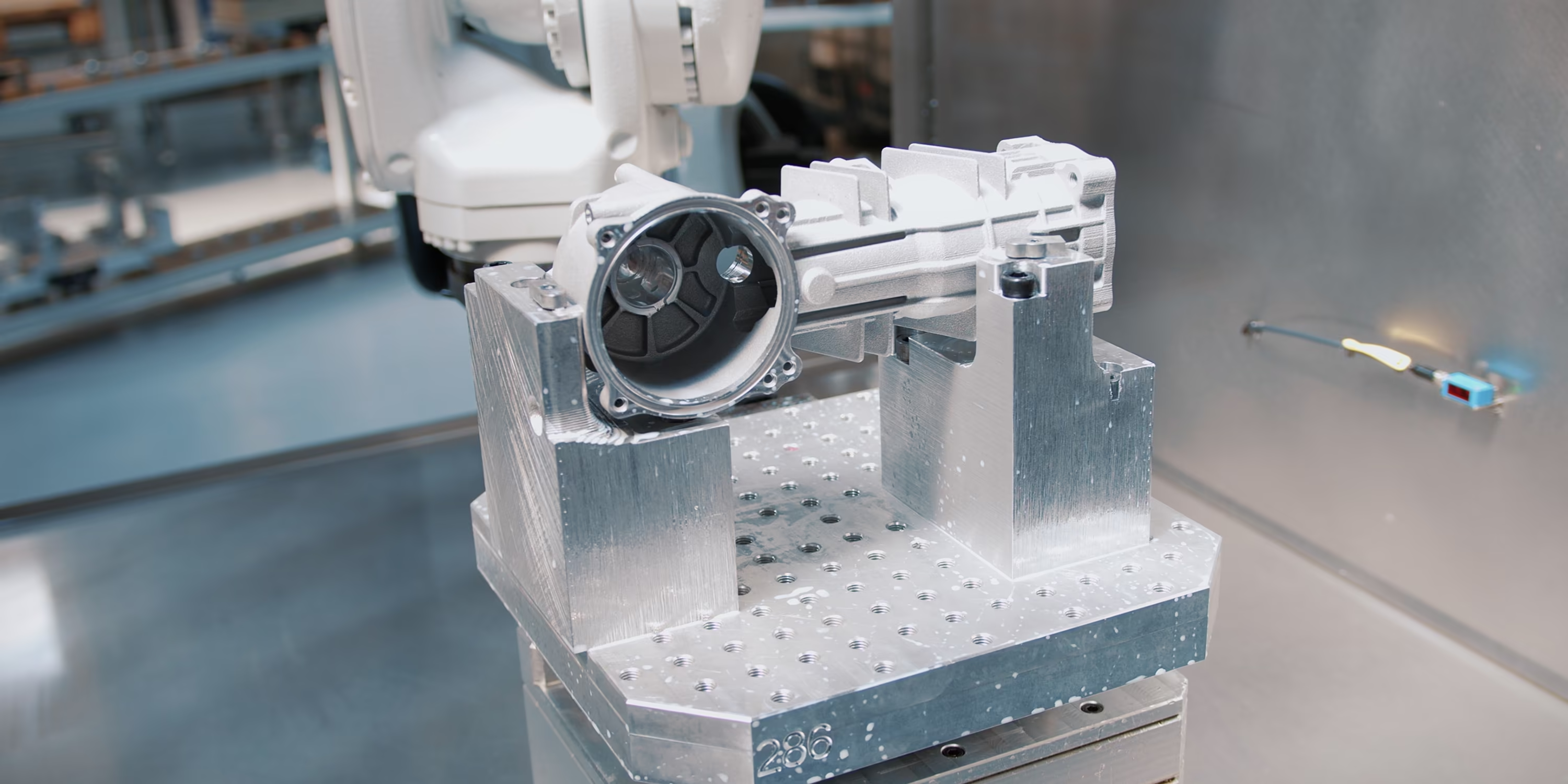

Magnesium Die Casting
Discover the advantages of lightweight magnesium die casting applications



Magnesium die casting enables the production of lightweight metal components without compromising strength, precision, or durability.
By injecting molten magnesium into a steel mould under high pressure, complex geometries can be manufactured with excellent dimensional stability and repeatable quality. The process is widely used in automotive, aerospace, electronics, and other performance-driven industries where reducing weight can improve efficiency, functionality, and overall product performance.
Leveraging the advantages of magnesium die casting, we help customers turn lightweight design concepts into manufacturable magnesium components. From early-stage prototypes to low and medium volume production, our engineering teams support material selection, design optimization, and process development to achieve the best balance between performance, cost, and manufacturability. Combined with advanced casting technologies and CNC machining, this enables the production of high-quality components tailored to demanding applications.
Reliable production starts with robust processes and controlled quality standards. Throughout the magnesium die casting workflow, we focus on dimensional consistency, material integrity, and process stability to support predictable manufacturing outcomes. Where required, secondary operations such as CNC machining can further refine critical features and tolerances, ensuring components perform as intended throughout their lifecycle.
Quality assurance and traceability
We integrate quality control throughout our magnesium die casting production process, supported by structured inspection procedures and documented quality management practices. This helps ensure consistent quality and process reliability from prototype development to series production.
ISO-Certified Quality Management
We operate under ISO-certified quality management systems and apply proven manufacturing processes to ensure consistent quality, reliable communication and dependable project execution throughout the development and production cycle.
What is magnesium die casting especially suitable for?
Magnesium die casting enables the production of lightweight, high-performance components for applications where reducing weight is a key design objective. The process uses high-pressure injection of molten magnesium into a steel mould, allowing complex shapes and thin-wall geometries to be manufactured with excellent consistency and precision.
Its unique material properties make magnesium particularly well suited for lightweight structural parts, compact housings, and components that benefit from improved stiffness-to-weight performance. As one of the lightest structural metals available, magnesium helps manufacturers reduce overall product weight while maintaining the strength and functionality required for demanding industrial applications.
Discover the performance benefits of magnesium die casting
Magnesium die casting transforms lightweight design concepts into functional components through a highly efficient manufacturing process. The process enables lightweight magnesium components with complex geometries to be manufactured efficiently while maintaining excellent structural performance and repeatable quality.

1. Alloy preparation and melting
Magnesium alloy is carefully melted and prepared under controlled process conditions to achieve the material characteristics required for the final application. This provides a reliable foundation for lightweight components with predictable mechanical properties.
2. High-pressure mould filling
The molten magnesium is injected into a precision-engineered steel die at high speed and pressure, allowing even intricate features and thin-wall sections to be formed accurately. This supports greater design flexibility while maintaining manufacturing efficiency.
3. Rapid solidification
As the magnesium cools inside the mould, it quickly takes shape with excellent dimensional stability and surface definition. The result is a lightweight component with consistent quality and repeatable performance across production runs.
4. Component finishing
After removal from the die, components can undergo additional operations such as CNC machining, trimming, or surface treatment depending on application requirements. This enables critical features and interfaces to be refined before assembly or end use.
We’re here to help you move forward
Submit your project details and receive expert guidance from our team of technical experts. We know that clarification is a key part of keeping momentum.

Standard Alloys
Successful magnesium die casting begins with intelligent lightweight design
Our engineering team works closely with you to optimize component performance, reduce unnecessary weight, and create designs that are both manufacturable and production-ready. By addressing key design considerations early, we help accelerate development while supporting efficient and reliable manufacturing.
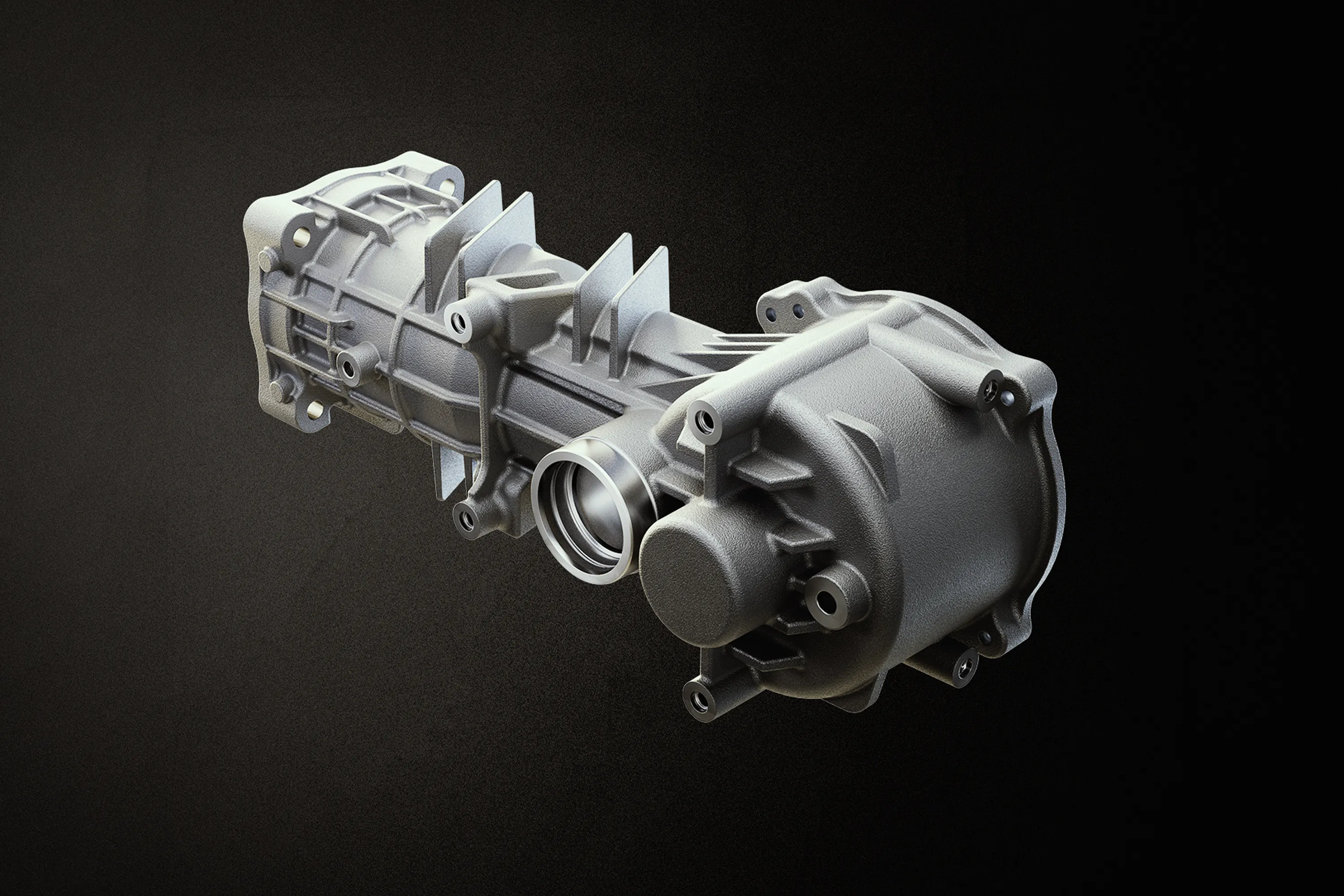
Thin-wall optimization
Magnesium's excellent flow characteristics make it well suited for thin-wall geometries and lightweight structures. Optimizing wall sections helps reduce component weight while maintaining the strength and stiffness required for the intended application.
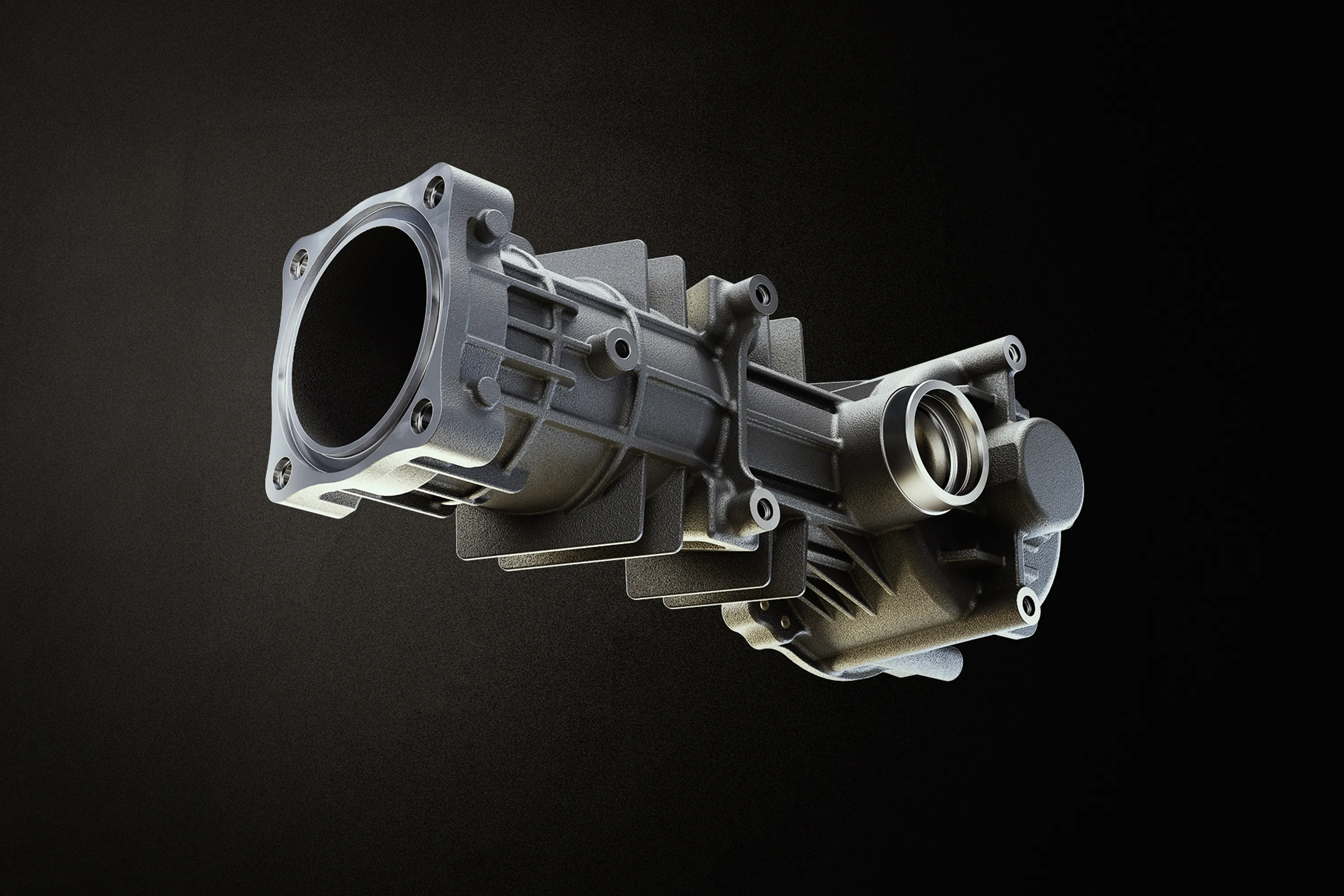
Design for ejection
Well-designed draft angles support smooth component release from the die and contribute to stable production performance. This reduces stress on tooling while helping maintain consistent part quality throughout the production lifecycle.
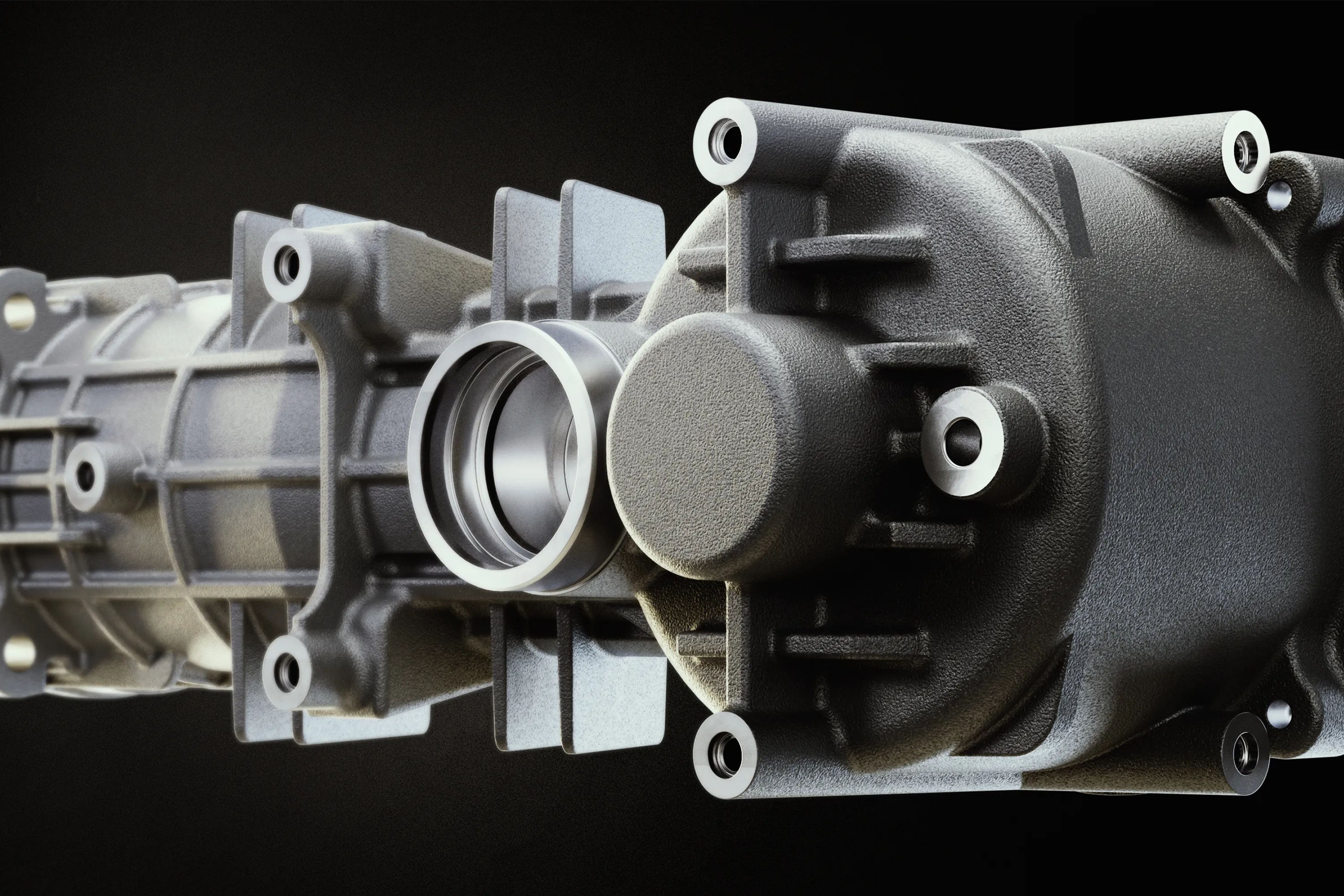
Geometry simplification
Thoughtful design choices can reduce complexity without compromising functionality. Minimizing unnecessary features and challenging transitions improves manufacturability, supports more efficient tooling, and contributes to a more robust production process.
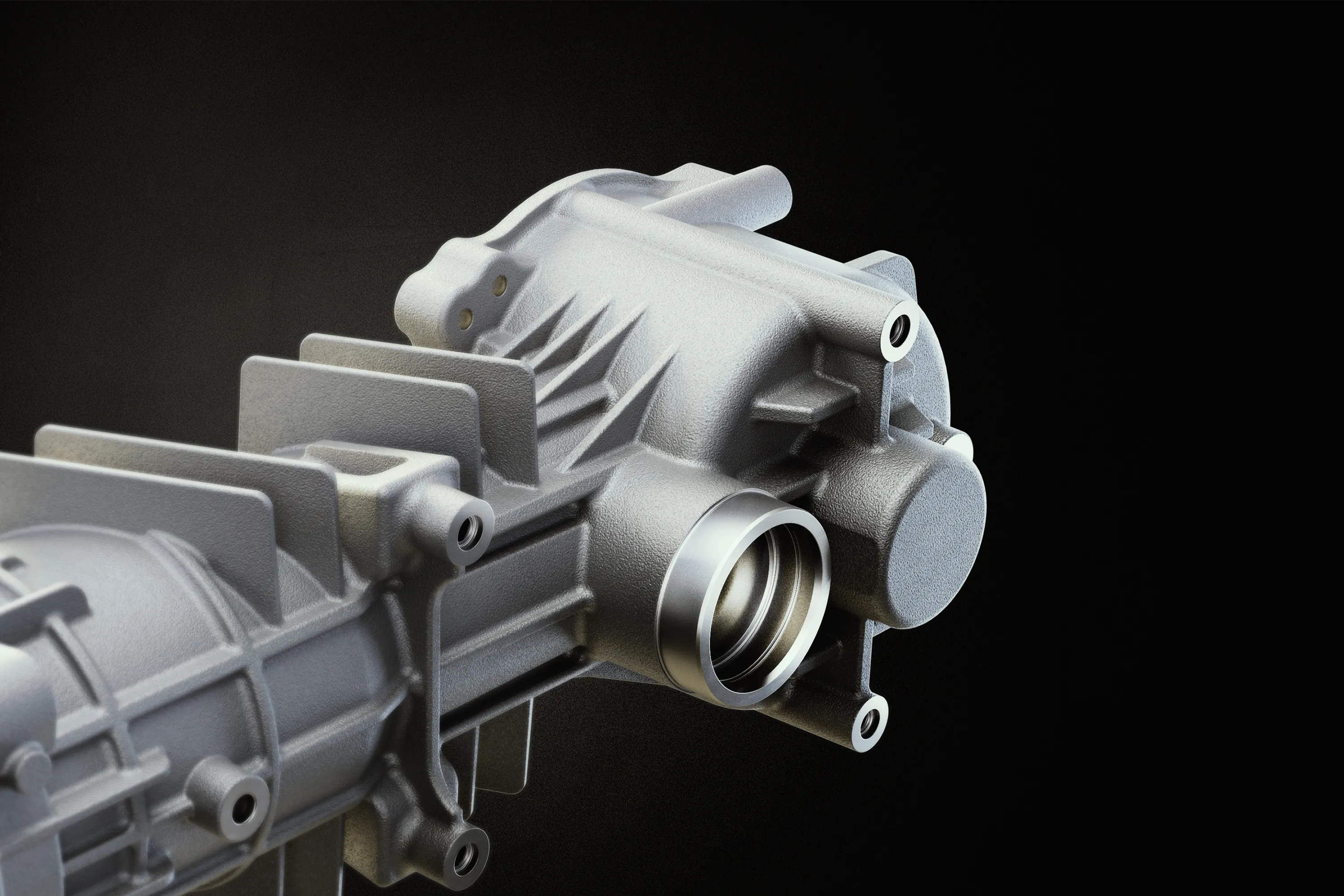
Flow and filling performance
The way molten magnesium flows through a component has a direct impact on final part quality. Optimized gating and runner systems support balanced filling, improved material distribution, and greater consistency across production batches.


Advantages of Magnesium Die Casting
Magnesium is one of the lightest structural metals available, making it ideal for components where reduced weight can improve efficiency, handling, and overall product performance.
Magnesium combines low density with strong mechanical properties, enabling lightweight components that still meet demanding functional requirements.
The material’s casting characteristics make it well suited for thin-wall designs, helping reduce material usage while supporting compact and lightweight component structures.
Magnesium die casting supports complex geometries and integrated design features, allowing multiple functions to be combined into a single component. This can reduce part count, simplify assembly, and improve overall product performance.
The process supports consistent geometry and reliable fit across production batches, helping improve assembly performance and reduce variation in finished parts.
Magnesium die casting can produce near-net-shape components, reducing the need for extensive machining and helping shorten production time and cost.
Magnesium provides effective EMI shielding, making it an attractive material for electronic housings and applications where electromagnetic interference must be controlled.
Magnesium naturally absorbs vibration and noise more effectively than many structural metals, making it suitable for components exposed to dynamic operating conditions.
Magnesium die casting is well suited for low, medium, and repeat production runs where consistency and manufacturing efficiency are important.
Tailored solutions built on deep sector understanding
We combine technical expertise, industry standards, and market insight to create value-driven solutions. Through sector-specific advisory and proven experience, we help you gain competitive advantage where it matters most.

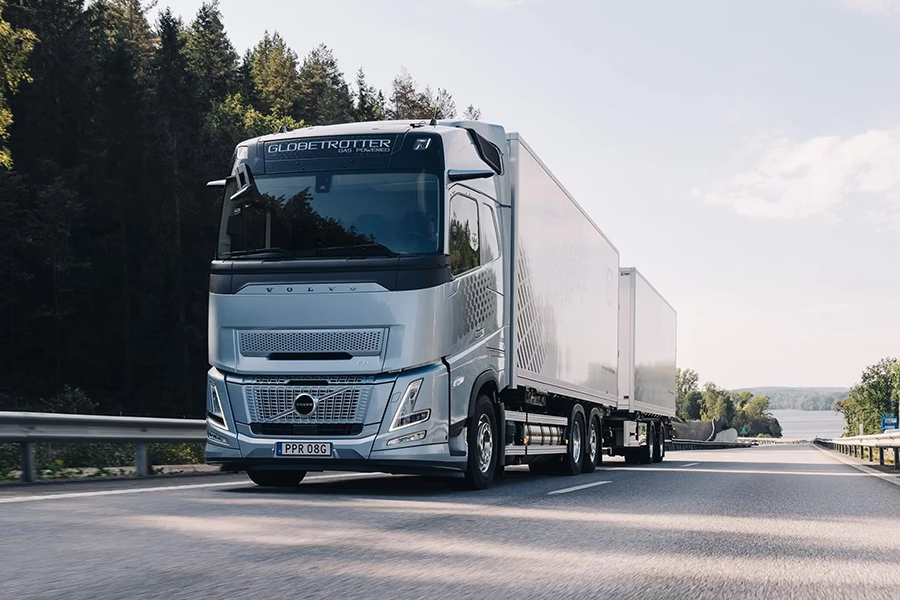


“Magnesium offers unique opportunities for weight reduction and performance optimization, but success depends on how early design decisions are translated into manufacturable solutions. We work closely with our customers to refine concepts, optimize component designs, and create a clear path from development to production.”
Dan Nielsen, Sales Director
Great solutions come from asking questions
Our FAQ covers common questions, but not everything. Reach out if you need more detailed answers.
Simply upload your CAD data and any available drawings or specifications. A brief description of your project is sufficient. Our engineering team will review the information and provide technical feedback together with a quotation.
Yes. Magnesium die cast components are widely used across automotive, aerospace, electronics, and industrial sectors. When properly engineered and manufactured, magnesium provides reliable performance and durability for demanding applications.
Both processes offer high precision and repeatability, but magnesium is considerably lighter than aluminium. Magnesium is often selected when weight reduction is a primary design objective, while aluminium may be preferred when thermal conductivity or corrosion resistance are key requirements.
Magnesium die casting is generally more efficient for complex components and repeat production volumes, while CNC machining offers greater flexibility for low-volume production and design changes. The best choice depends on geometry, quantity, and performance requirements.
Key advantages include exceptional weight reduction, high strength-to-weight performance, thin-wall design capability, dimensional consistency, and the ability to manufacture complex geometries efficiently. These characteristics make magnesium particularly attractive for performance-driven applications.
Yes. Magnesium die casting is well suited for prototype and pre-series development when lightweight performance, manufacturability, and functional validation are important before moving into larger production volumes.
We focus on prototypes, pre-series, and low to medium volume production. Typical quantities range from 50 to 5,000 units, depending on component complexity, tooling requirements, and application needs.
We deliver parts within 6–15 weeks. This timeframe covers all production stages, including simulation, tool manufacturing, casting, post-processing, and quality control. Contact us to discuss your project requirements and expected timelines.
Magnesium die casting can achieve high dimensional accuracy and repeatable quality across production runs. Final tolerances depend on component geometry, alloy selection, tooling design, and any secondary operations such as CNC machining.
Common magnesium die casting alloys include AZ91, AM60, and AM50. These alloys are selected based on factors such as strength, ductility, corrosion resistance, impact performance, and manufacturability.
Magnesium is approximately 30% lighter than aluminium, making it one of the lightest structural metals available. The exact weight reduction depends on component geometry and design requirements.
Magnesium is significantly lighter than aluminium while still offering excellent mechanical properties. For many applications, magnesium enables greater weight reduction, improved stiffness-to-weight performance, and increased design flexibility without compromising functionality.
Magnesium die casting is used to manufacture lightweight, high-performance metal components for industries where reducing weight can improve efficiency, handling, and overall product performance. Common applications include automotive components, electronics housings, aerospace parts, robotics, and industrial equipment.
We’re here to help you move forward
Submit your project details and receive expert guidance from our team of technical experts. We know that clarification is a key part of keeping momentum.