

Aluminium Die Casting
Unlock the benefits of precision aluminium die casting components and manufacturing



Aluminium die casting is a high-pressure manufacturing process used to produce complex aluminium components with high dimensional accuracy and repeatability.
The process involves injecting molten aluminium into a steel mould under high pressure, where it rapidly solidifies into a precise component. It is widely used across automotive, electronics, and industrial sectors where technical performance and production stability are critical.
Based on this manufacturing approach, Formkon delivers aluminium die casting solutions for prototyping and low to medium volume production with a strong focus on engineering precision and manufacturability, supporting you from initial design validation to scalable manufacturing. We combine engineering expertise, advanced casting technologies, and CNC machining to ensure functional, high-quality components tailored to demanding industrial applications.
We place strong emphasis on quality, tolerances, and manufacturing consistency throughout the aluminium die casting process. Controlled dimensional tolerances, high repeatability, and consistent material quality ensure stable production output, while optional CNC machining enables tighter tolerances where required. Quality assurance is integrated throughout the production cycle to ensure compliance with industrial standards and reliable component performance.
Integrated manufacturing capabilities
Beyond die casting, we offer a wide range of secondary operations including CNC machining, leak testing, surface treatment, assembly, inspection and documentation. This provides a streamlined path from casting to validated component.
ISO-Certified Quality Management
We operate under ISO-certified quality management systems and apply proven manufacturing processes to ensure consistent quality, reliable communication and dependable project execution throughout the development and production cycle.
What is aluminium die casting especially suitable for?
Aluminium die casting is a manufacturing process where molten aluminium is injected under high pressure into a steel mould. The material solidifies rapidly, forming a precise and durable component.
The process is especially suitable for complex geometries, high-volume repeatable parts, lightweight structural components and applications requiring tight tolerances. Because aluminium has an excellent strength-to-weight ratio, it is one of the most widely used materials in modern industrial manufacturing.
Gain greater value from the Aluminium Die Casting process
The process typically consists of four main steps, where molten aluminium is injected into a steel mould under high pressure, cooled rapidly, and then ejected as a finished or semi-finished component.

1. Melting and preparation
Aluminium alloy is melted in a furnace under controlled temperature conditions to ensure consistent material properties. This creates a stable material foundation, which supports uniform mechanical performance and reduces variation in downstream production.
2. Injection into the die
The molten aluminium is injected into a hardened steel mould under high pressure, ensuring full cavity filling and high geometric precision. This enables the production of complex geometries with high dimensional accuracy while minimizing the need for corrective machining or rework.
3. Cooling and solidification
The material cools rapidly inside the die, forming a solid component with fine surface detail and dimensional stability. This results in repeatable part quality with stable structural characteristics, making the process suitable for scalable series production.
4. Ejection and finishing
Once solidified, the component is ejected from the mould and may undergo secondary operations such as CNC machining or surface finishing. This allows components to be delivered in a production-ready condition with tight tolerances and high-quality surface characteristics.
Cold chamber vs. hot chamber die casting
Aluminium is typically processed using cold chamber die casting due to its high melting temperature. This process enables the production of complex, high-quality components with excellent dimensional accuracy and repeatability.
We’re here to help you move forward
Submit your project details and receive expert guidance from our team of technical experts. We know that clarification is a key part of keeping momentum.

Standard Alloys
Successful aluminium die casting starts with proper design optimization
Our engineering team supports you in improving manufacturability, reducing cost and ensuring stable production, while guiding you through key design considerations in the early development phase.
_00003.png.webp)
Wall thickness optimization
Uniform wall thickness helps reduce the risk of shrinkage, porosity and distortion. This supports more consistent component quality, improved structural integrity and a more stable die casting process.
_00004.png.webp)
Draft angles
Appropriate draft angles support smooth part ejection and help reduce stress on tooling. This contributes to stable production, improved surface quality and longer tool life.
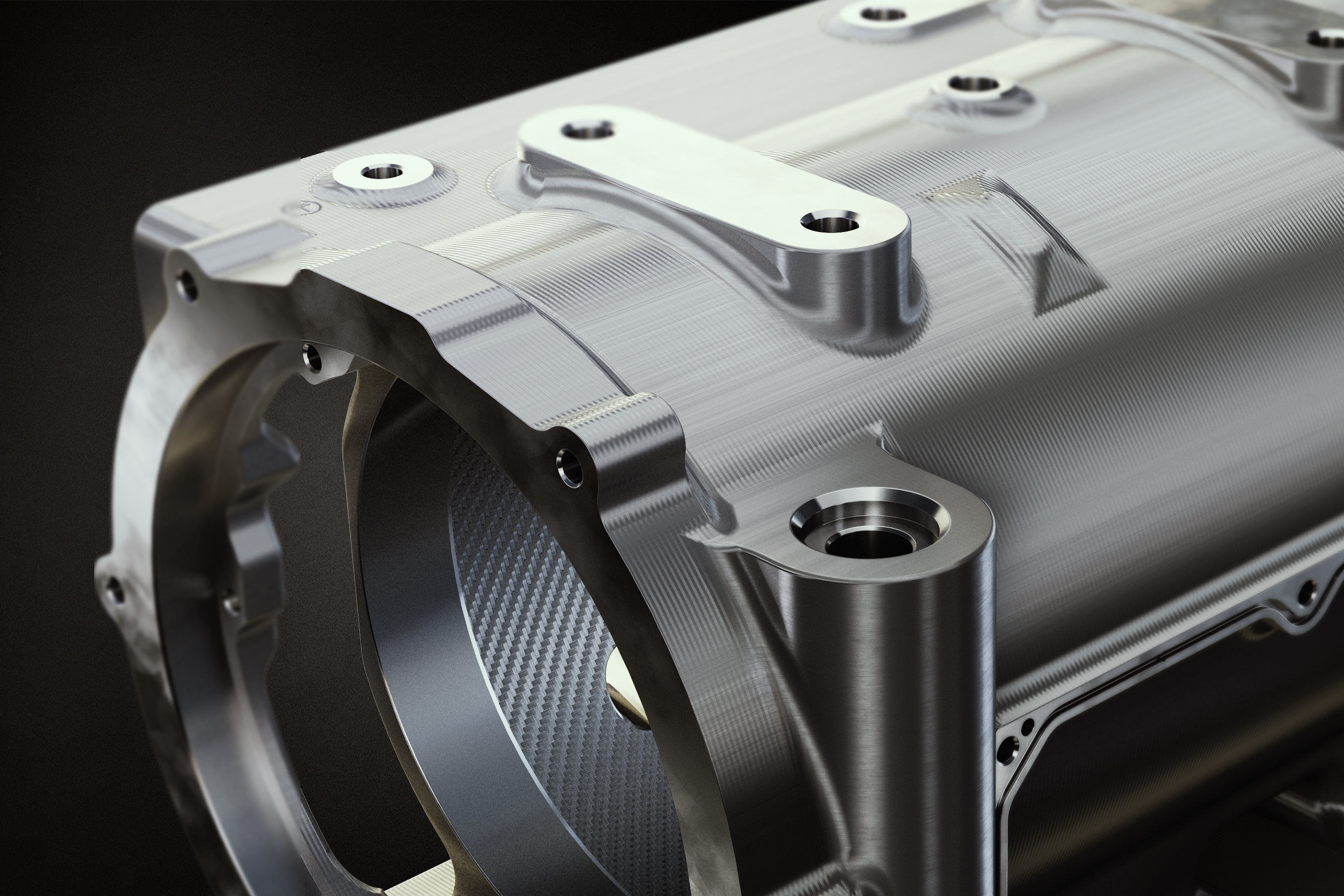
Geometry optimization
Simplifying complex features where possible can improve machining efficiency and reduce production costs. Well-designed geometries also contribute to more predictable manufacturing outcomes.
_00001.png.avif)
Gate and runner design
Optimised gate and runner systems help ensure controlled cavity filling while reducing turbulence and air entrapment. This supports reliable casting quality, improved repeatability and stable production conditions.


Advantages of Aluminium Die Casting
A stable process enables consistent production of components within tight tolerances, reducing variation and improving assembly reliability across large production runs.
Aluminium combines low weight with high structural strength, allowing for optimized product designs without compromising mechanical performance.
The process is well-suited for scalable manufacturing, where unit costs decrease with volume while maintaining stable and repeatable output.
High-pressure injection produces fine surface details, often reducing the need for extensive secondary finishing processes.
The process supports highly complex and integrated designs that would be difficult or cost-prohibitive to manufacture using alternative methods.
High casting precision minimizes the requirement for post-processing, helping to reduce production time and overall manufacturing costs.
Aluminium naturally forms a protective oxide layer that helps resist corrosion in demanding environments, supporting long-term durability and reducing maintenance requirements.
Aluminium efficiently transfers heat, making it well suited for components used in electronics, lighting, and thermal management applications.
Aluminium provides an excellent balance between low weight and mechanical strength, enabling durable components without unnecessary mass.
Tailored solutions built on deep sector understanding
We combine technical expertise, industry standards, and market insight to create value-driven solutions. Through sector-specific advisory and proven experience, we help you gain competitive advantage where it matters most.

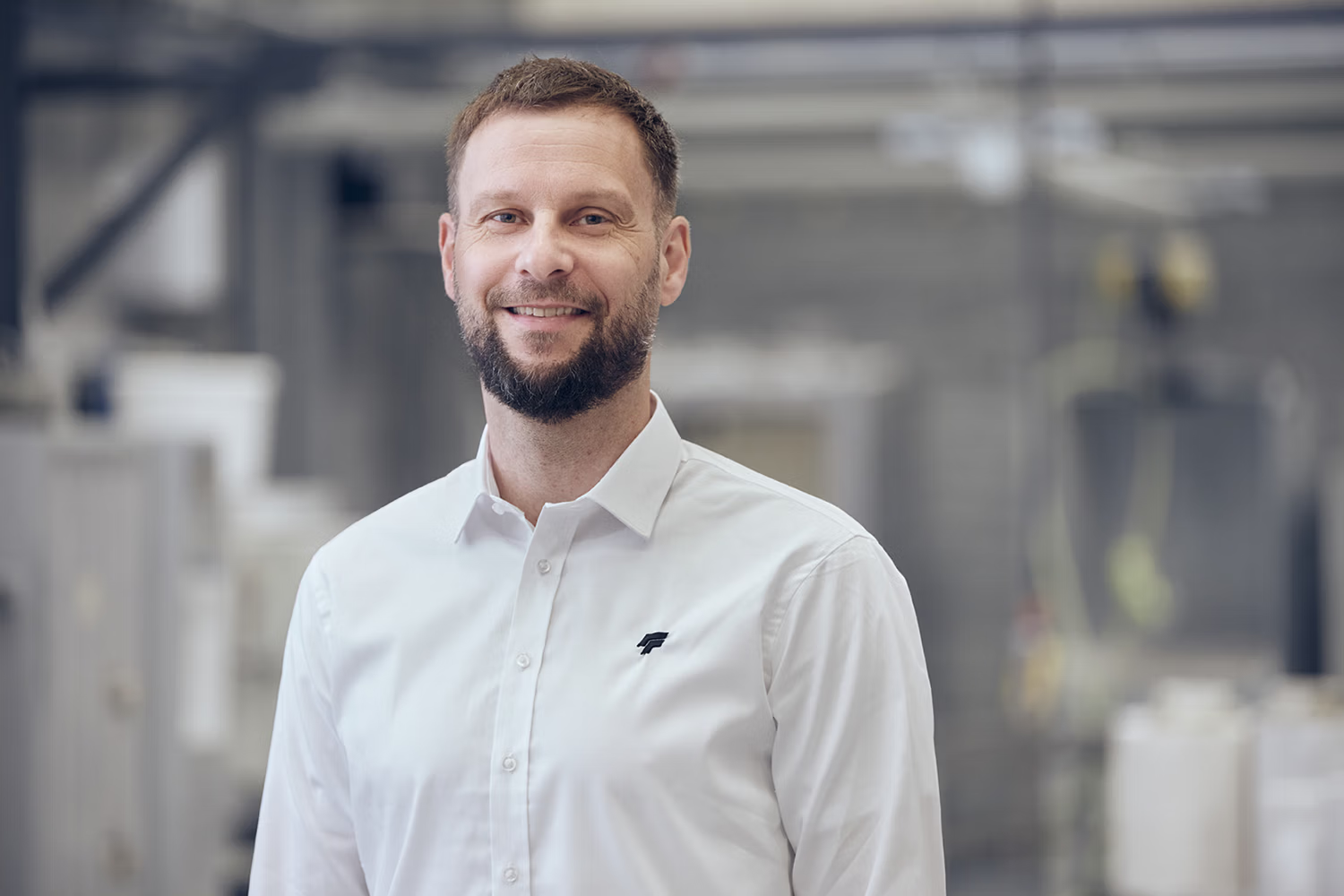
“In modern product development, the ability to move quickly from early prototypes to scalable production is critical. Our focus is on reducing development risk through iterative engineering, reliable prototyping, and a smooth transition into production tooling — so you can validate designs faster and bring better products to market with confidence.”
Dan Nielsen, Sales Director
Great solutions come from asking questions
Our FAQ covers common questions, but not everything. Reach out if you need more detailed answers.
Simply upload your CAD data and any available drawings or specifications. A brief description of your project is sufficient. Our engineering team will review the information and provide technical feedback together with a quotation.
3D printing is ideal for early-stage prototyping, concept validation, and rapid design iterations. Aluminium die casting is better suited for functional end-use components, offering greater mechanical strength, repeatability, and cost efficiency when moving into production.
Die casting uses high-pressure injection of molten metal into a reusable steel mould, enabling high production rates, tight tolerances, and excellent surface quality. Sand casting uses disposable sand moulds and is generally better suited for larger components, lower production volumes, or designs that do not require the same level of precision and repeatability.
Aluminium die casting is a faster and more repeatable manufacturing process, making it well-suited for medium to high production volumes. Investment casting is often preferred for highly complex geometries, lower production volumes, or applications requiring specific material properties and design flexibility.
Aluminium die casting is generally more cost-efficient for complex geometries and medium to high production volumes, as multiple components can be produced quickly and consistently from the same tool. CNC machining offers greater flexibility for low-volume production and highly customized parts, making it a suitable choice when tooling investment is not justified.
Aluminium die casting offers a combination of high dimensional accuracy, excellent repeatability, efficient production rates, and the ability to produce complex geometries. Compared to many alternative manufacturing methods, it can reduce material waste, minimize secondary machining requirements, and provide a cost-effective route to scalable production.
Yes. Aluminium die casting can be used for prototyping, especially when there is a need to validate component functionality, material properties, or production feasibility before scaling to series production. Combined with engineering support and rapid tooling strategies, it can help accelerate product development and reduce time-to-market.
Aluminium die casting is often the preferred choice when producing complex components in medium to high volumes, particularly where dimensional accuracy, repeatability, and cost efficiency are important. The process is well-suited for applications that require lightweight yet durable components with consistent quality across production batches.
We focus on prototypes and pre-series, primarily for the automotive industry. However, we also offer small series production, especially for other industries where production volumes are lower. Typical quantities range from 50 to 5,000 units.
We deliver parts within 6–15 weeks. This timeframe covers all production stages, including simulation, tool manufacturing, casting, and all post-processing steps and quality control. Contact us today to learn how our aluminium die casting solutions help drive your project forward with precision and reliability.
Some of the most commonly used aluminium die casting alloys include AlSi9CU3(Fe), AlSi10Mg(Fe), AlSi12(Fe), and various AlSi-based materials. These alloys are selected for their combination of castability, strength, corrosion resistance, and thermal performance, making them suitable for a wide range of industrial and technical applications.
Aluminium die casting can achieve high dimensional accuracy and repeatability, making it suitable for components with demanding fit and assembly requirements. Achievable tolerances depend on factors such as part geometry, alloy selection, and tooling design, while secondary operations such as CNC machining can be used when even tighter tolerances are required.
Aluminium die casting is used to manufacture high-precision metal components that require a combination of strength, low weight, and dimensional accuracy. The process is widely used in industries such as automotive, electronics, industrial machinery, robotics, aerospace, and defence, where consistent quality and repeatable production are essential.
We’re here to help you move forward
Submit your project details and receive expert guidance from our team of technical experts. We know that clarification is a key part of keeping momentum.